
Daily Assistance That Respects Your Dignity
Personal Care Services in Arlington for older adults who need help with bathing, dressing, grooming, and mobility but want one-on-one caregiver attention in a residential setting
Grandmother's House provides personal care services for residents who can no longer manage daily hygiene, dressing, and mobility tasks independently but do not require skilled nursing or memory care in a locked unit. You receive routine-based assistance from caregivers who are present on-site and trained to help with bathing, toileting, grooming, and transfers in a way that prioritizes your dignity and comfort. This service is designed for Arlington residents living in the care home who need hands-on support multiple times a day, delivered one-on-one rather than in a rushed or impersonal manner.
Personal care includes assistance with getting dressed in the morning, washing and grooming throughout the day, using the toilet or managing incontinence, and safely moving from bed to chair or chair to walker. Caregivers monitor skin condition, check for signs of illness or injury, and ensure that residents maintain a level of hygiene and appearance that supports their self-esteem. Daily routines are structured around individual preferences, and caregivers adjust their approach based on whether a resident prefers help first thing in the morning or later in the day. Arlington's access to medical supply stores and home health agencies makes it easy to obtain mobility equipment, adaptive clothing, and personal care supplies that support independence while ensuring safety.
If you or a family member need regular help with personal care tasks and want to understand how that support is delivered in a residential setting, reach out to discuss routines and care plans in Arlington.
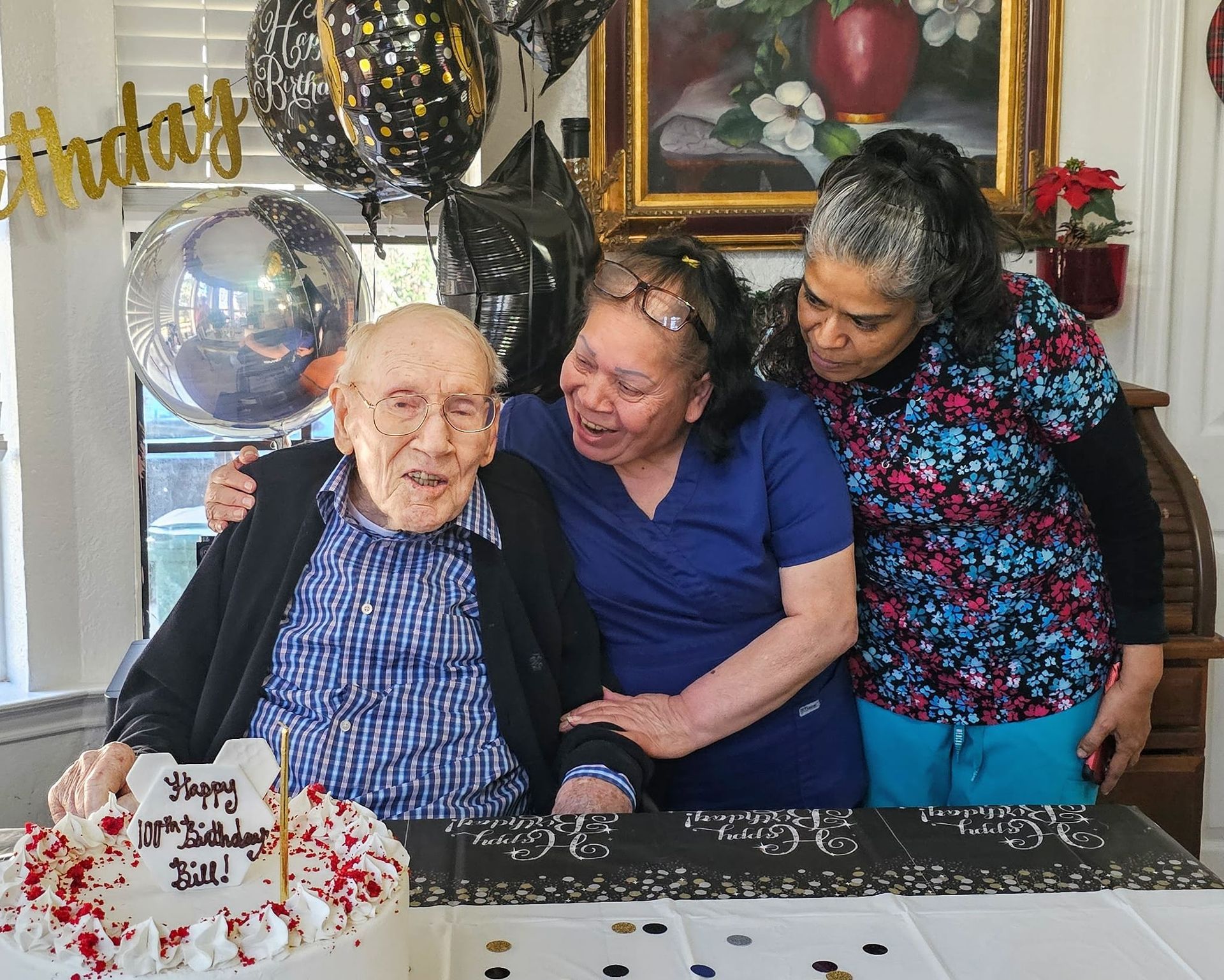
How Hands-On Personal Care Works in Practice
You receive help from caregivers who understand that personal care is intimate and that many residents feel embarrassed or resistant when they lose the ability to bathe or dress themselves. Staff at Grandmother's House are trained to provide assistance calmly and respectfully, explaining what they are doing and allowing residents to participate as much as they are able. Bathing is done in a private bathroom with grab bars, shower chairs, and handheld shower heads, and caregivers check water temperature, soap thoroughly, and dry skin carefully to prevent breakdown.
After receiving regular personal care, residents often appear more comfortable, less anxious, and better groomed. Caregivers notice changes in skin condition, mobility, or mood that might indicate infection, pain, or emotional distress, and they communicate those observations to family members and medical providers. Assistance with dressing includes selecting weather-appropriate clothing, managing buttons or zippers, and ensuring that shoes fit properly and reduce fall risk.
Personal care services work best when delivered on a consistent schedule by familiar caregivers who know the resident's preferences and physical limitations. Grandmother's House staff do not perform wound care, catheter management, or other skilled nursing tasks, but they coordinate with visiting nurses when those services are ordered by a physician. Mobility support includes helping residents stand, walk with a walker, transfer to a wheelchair, and reposition in bed to prevent pressure sores.
Questions Residents and Families Ask About Personal Care
Personal care involves tasks that many people find private and difficult to discuss, and families want to know how caregivers approach this work with sensitivity and professionalism.
What does respectful, dignity-focused care mean during bathing and toileting?
Caregivers explain what they are doing, close doors for privacy, cover parts of the body that are not being washed, and allow residents to do as much as they can on their own. Staff do not rush, criticize, or speak about residents as though they are not present.
How often is bathing and grooming provided?
Most residents receive a full bath or shower at least twice a week, with daily sponge baths, face washing, and oral care. Grooming includes hair brushing, shaving, nail care, and assistance with dentures or hearing aids.
Why is mobility and transfer support important?
Falls are a leading cause of injury among older adults, and improper transfers can cause pain, bruising, or fractures. Caregivers at Grandmother's House use proper body mechanics, transfer belts, and two-person assists when necessary to keep residents safe during movement.
How do caregivers in Arlington monitor for health changes?
During personal care tasks, staff check for bruises, skin tears, rashes, swelling, or pressure sores. They also observe changes in mobility, appetite, alertness, or mood, and they report concerns to family members and medical providers.
What happens if a resident resists personal care?
Caregivers use redirection, offer choices, and try again later rather than forcing compliance. If resistance continues, staff assess whether pain, fear, or cognitive decline is the cause and adjust their approach or consult with family and medical providers.
If you need one-on-one personal care services in a residential setting and want to understand how caregivers manage daily routines with dignity and attention, contact Grandmother's House to discuss care plans and schedule a visit in Arlington.