
Small-Scale Living with Hands-On Care
Residential Group Home Living in Arlington for older adults who need personalized daily support and a quiet home-like setting with low caregiver ratios
Grandmother's House offers residential group home living for older adults who require consistent care but prefer a small, home-like environment rather than a large facility. You receive hands-on support in a setting where the number of residents is limited, caregiver-to-resident ratios are low, and the pace of daily life mirrors that of a private household. This service is designed for Arlington residents who need help with mobility, personal care, medication management, and daily routines but do not require skilled nursing or memory care in a locked unit. Long-term residency is supported, and the focus remains on stability, comfort, and respectful, personalized care.
Living in a group home means you share common spaces such as the dining room, living room, and outdoor areas, but you also have access to a private or semi-private bedroom where you can rest, read, or spend time alone. Caregivers prepare meals on-site, assist with bathing and dressing, provide medication reminders, and help with transfers and mobility as needed. The smaller size of the home allows staff to learn each resident's habits, preferences, and communication style, which makes daily care feel less institutional and more tailored. Arlington's suburban setting supports a quieter, more residential atmosphere, and proximity to medical offices and pharmacies makes coordination with outside providers straightforward.
If you are looking for an alternative to larger assisted living facilities and want to understand how group home living works in Arlington, reach out to discuss the daily routine and what personalized care looks like in a small residential setting.
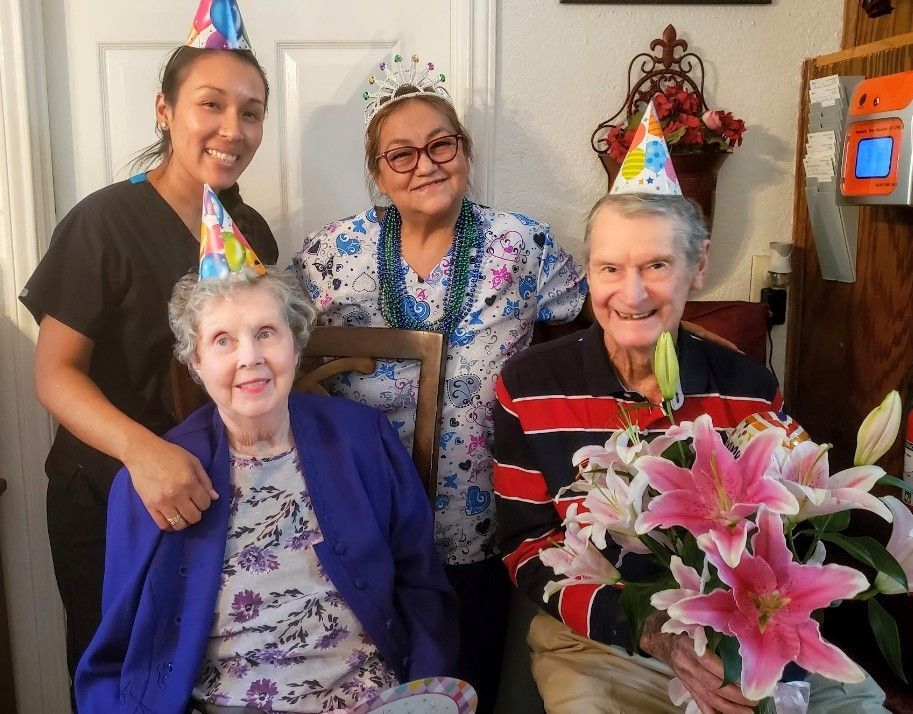
What Low-Ratio Residential Care Provides
You live in a home with a small number of residents, which allows caregivers to spend more time with each person rather than managing large groups. Staff know your name, your health history, your favorite foods, and what time of day you feel most alert. Care is delivered one-on-one rather than in batches, and you are not rushed through meals, bathing, or morning routines simply to keep a facility on schedule.
After moving in, residents and families often notice that anxiety decreases because the environment is predictable, noise levels are low, and interactions with caregivers feel personal rather than transactional. Grandmother's House staff assist with toileting, grooming, and mobility without waiting for a call button to be answered, and they check in regularly throughout the day to ensure comfort and safety. Shared living spaces are set up for conversation, television, puzzles, or light activities, and residents are encouraged to participate at their own pace.
This model works well for residents who benefit from social interaction but also need a calm, quiet space where they can retreat when overstimulated. Staff do not provide physical therapy, wound care, or other skilled services, but they coordinate with home health agencies and visiting nurses when those services are ordered. Families are updated regularly and can visit during daytime and early evening hours without scheduling in advance.
What Families Ask About Group Home Living
Choosing a residential group home is a significant decision, and families want to understand how daily care is managed and what makes this setting different from other options.
What does a low resident-to-caregiver ratio mean in practice?
Fewer residents means caregivers can respond more quickly, spend more time helping with tasks, and notice changes in mood, appetite, or mobility that might go unnoticed in a larger setting. At Grandmother's House, caregivers are assigned to a small group and know each person's needs intimately.
How are private and semi-private rooms arranged?
Private rooms house one resident, while semi-private rooms are shared by two. Both options include a bed, storage, and space for personal belongings. Residents can personalize their rooms with photos, blankets, and familiar items from home.
Why choose a group home over a larger assisted living community?
Group homes in Arlington offer a quieter, more intimate setting with less turnover, fewer residents, and more personalized attention. The atmosphere feels less institutional, and routines are flexible rather than dictated by facility-wide schedules.
What happens if care needs increase over time?
Grandmother's House adjusts the care plan to provide more assistance with bathing, mobility, and daily tasks. If skilled nursing or memory care becomes necessary, staff help families evaluate whether those services can be brought in or if a higher level of care is required elsewhere.
How does communication with families work?
You receive regular phone updates about your loved one's health, mood, and daily activities. Caregivers are available to answer questions, and you are contacted immediately if there is a fall, illness, or significant change in condition.
If you are considering residential group home living in Arlington and want to tour the home and meet the caregivers, contact Grandmother's House to schedule a visit and discuss care options for your family member.